
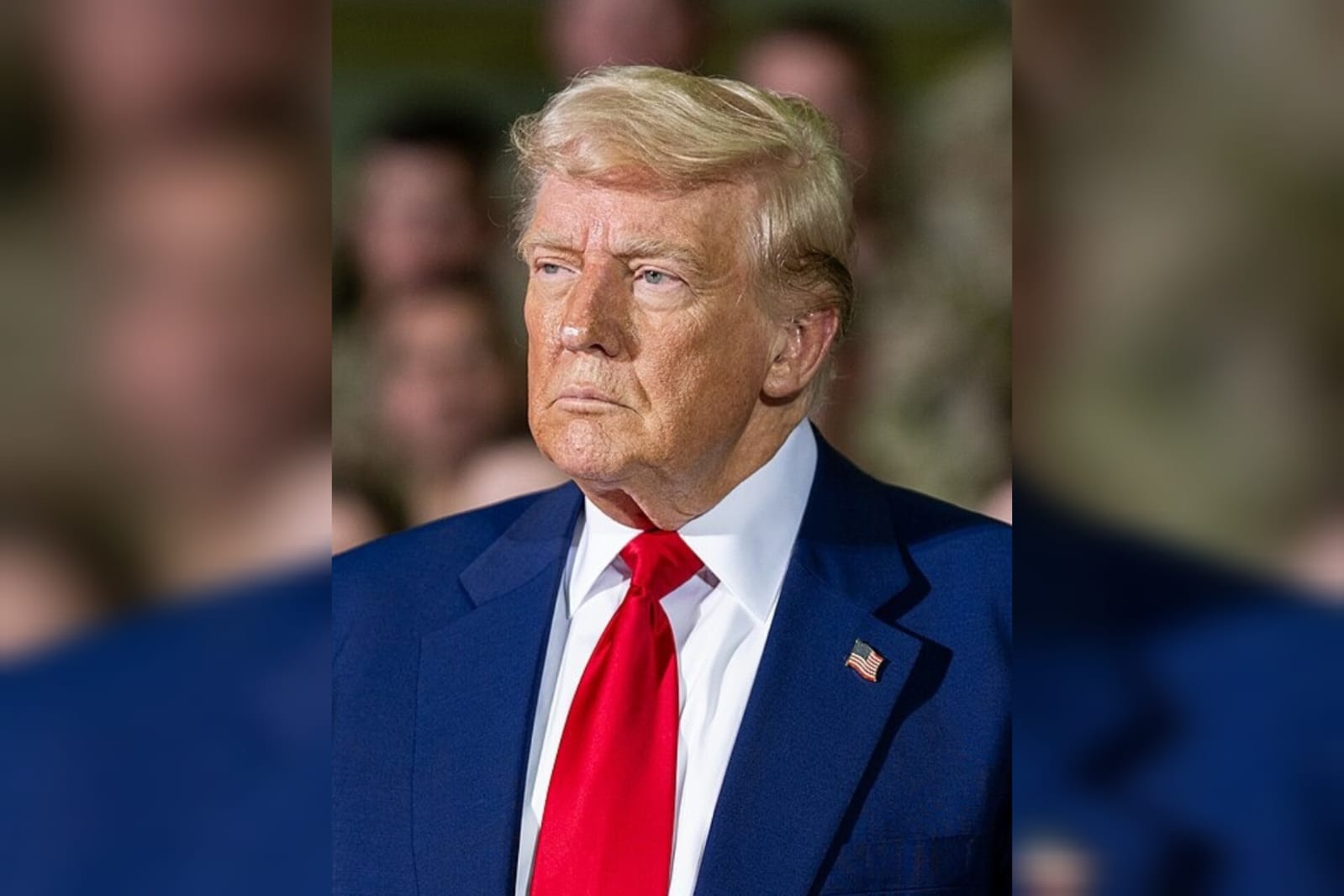
At the G7 Summit in France, U.S. President Donald Trump expressed skepticism about the progress of negotiations with Iran, revealing that a conclusive agreement has yet to be achieved. Trump emphasized that the discussions remain at the stage of a memorandum of understanding, not a finalized deal, and cautioned that military action, including the possibility of “dropping bombs,” could resume if Iran fails to meet U.S. expectations.
This statement marks a stark departure from Trump’s earlier summit comments, where he characterized the emerging agreement as a “powerful document” and hinted at a potential breakthrough in negotiations. The mixed messages have introduced uncertainty into the ongoing diplomatic efforts aimed at reducing regional tensions, especially concerning Iran’s nuclear program and broader security issues.
The proposed framework for discussions is set to initiate a 60-day negotiation period focused on these critical areas. However, with essential details still unresolved, the success of this framework depends heavily on continued dialogue between the United States and Iran. Analysts note that the fragile nature of the negotiations is underscored by the simultaneous progress in diplomacy and the looming threat of military action.
Despite the political uncertainties, financial markets have shown a positive response to the potential easing of tensions. This optimism has contributed to a reduction in oil prices, driven by expectations of improved global supply conditions. Additionally, there are early signs of partial restoration of oil flows following previous disruptions, though the situation remains dynamic and subject to change.