
The chain of events connecting military strikes in the Middle East to higher energy bills in British homes runs through a complex web of global markets, trade routes, and infrastructure — but it is direct and real. Understanding how a conflict thousands of miles away translates into higher charges on a domestic energy statement requires tracing a path through some of the most important but least understood systems of the modern global economy.
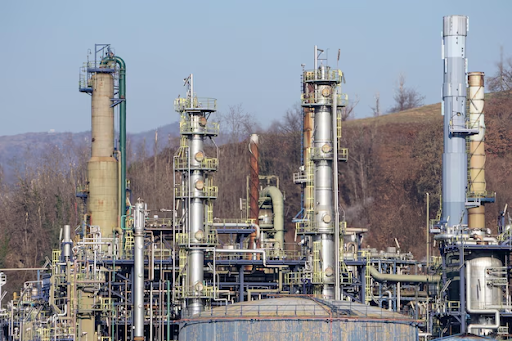
It begins with natural gas. Qatar, a small peninsular state in the Persian Gulf, sits atop one of the world’s largest natural gas reserves and has invested billions in the infrastructure needed to liquefy that gas and ship it around the world. When drone attacks disrupted production at Qatar’s Ras Laffan facility, approximately 20% of the world’s exportable LNG supply was suddenly taken off the market. With less gas available globally, the price of gas everywhere — including in the UK — rose sharply.
The Strait of Hormuz adds another dimension to the problem. This narrow waterway carries roughly one-fifth of the world’s oil supply. Its effective closure — triggered by warnings and attacks following the military escalation — has pushed oil prices sharply higher. Higher oil prices affect household energy costs both directly, through higher petrol prices at the forecourt, and indirectly, as the cost of transporting goods and generating power from oil-based sources rises.
The disruption is amplified by the structure of global energy markets. In an integrated world market, a supply shock in one region affects prices everywhere. The European gas price surged 41% on Monday. The UK gas price rose 40%. These are wholesale prices that don’t immediately reach household bills, but they feed through progressively as energy suppliers renew their supply contracts and as the market adjusts to the new supply reality.
The result, for a household in London or Leeds, is the prospect of higher bills for gas and electricity in the months ahead — bills that are the distant but entirely logical consequence of events playing out in facilities and waterways thousands of miles away. This is globalization in its most visceral form: the interconnectedness of the modern world that makes a drone attack in Qatar and a military strike in Iran the business of every household in Britain. The only reliable long-term protection against this vulnerability is to reduce dependence on distant, imported fossil fuels — a transition that the current crisis makes more urgent than ever.