
The Iran conflict has generated a range of lessons about how Western alliances function — and malfunction — in moments of genuine crisis. Among the most significant is the lesson about trust and reciprocity: the recognition that alliance relationships are built on mutual expectations, and that failing to meet those expectations has consequences.
The American secretary of state made the point explicitly at a Miami security conference, arguing that allies who show up for the United States can expect the relationship to be reciprocated. The corollary — that allies who do not show up cannot make the same assumption — was left implicit but clearly intended.
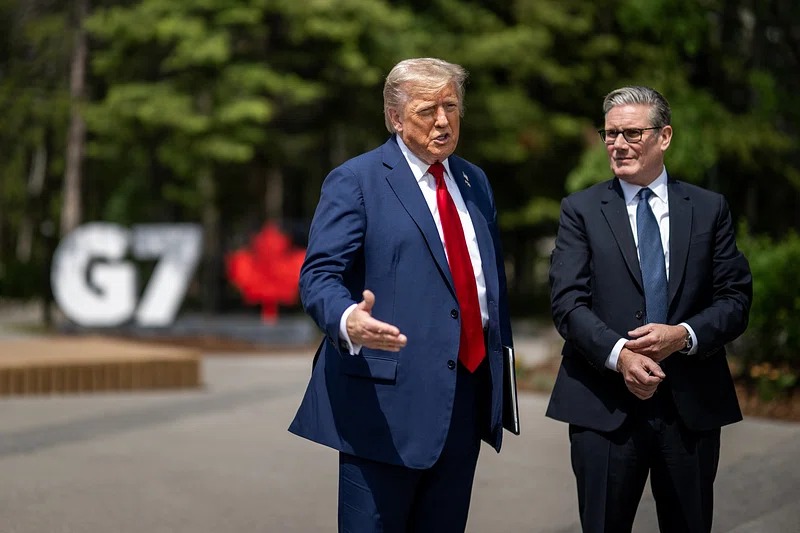
Britain’s experience illustrated the dynamics he was describing. Its initial refusal to provide military cooperation led quickly to public criticism from the highest levels of the American government, and a clear signal that the bilateral relationship had been affected. The reversal that followed — limited, defensive, framed in terms of British self-interest — partially repaired the damage but did not eliminate it.
For other Western governments watching the episode, the lesson was clear: in the current environment, alliance reciprocity is not a long-term abstraction. It is a present reality, measured in specific decisions about specific requests, and the consequences of getting those decisions wrong are immediate and visible.
Whether that lesson would produce a more compliant alliance structure — or a more contested one, as governments pushed back against what they saw as unreasonable expectations — was a question that strategists and diplomats would be addressing for some time.