
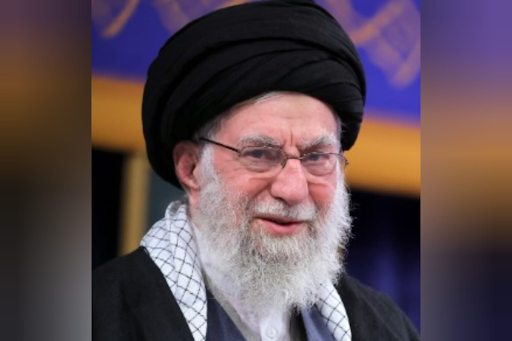
The death of Iran’s Supreme Leader has left the country in a state of suspended animation. While the bureaucratic gears of the Islamic Republic continue to turn, the absence of its guiding hand is felt in every corner of the government. The joint US-Israeli airstrikes have not only taken a life but have challenged the very stability of the regime itself.
Security forces have flooded the streets of major cities, a move aimed at preventing any domestic unrest. This “security first” approach is a direct response to the simmering discontent that has been building for years. The recent incident where a journalist accidentally cursed the leader on air is seen as a symptom of a much larger problem of public disillusionment.
According to the constitution, a transitional council is now in place, performing the duties of the Supreme Leader. This group is a placeholder while the Assembly of Experts deliberates on a permanent successor. This process is fraught with tension, as different factions within the government—including the powerful IRGC—jockey for influence and control.
Mojtaba Khamenei, the son of the late leader, is a key figure in these discussions. His potential elevation to the top post would be a major shift for the Islamic Republic, potentially leading to a new era of dynastic rule. However, such a move would be controversial and could spark further dissent among both the public and the clerical elite.
The transition also raises questions about Iran’s long-standing nuclear policy. The late leader’s religious opposition to nuclear weapons was a key pillar of his foreign policy. Without his personal authority, the IRGC may push for a more aggressive nuclear program, viewing it as essential for the country’s survival in an increasingly hostile region.