
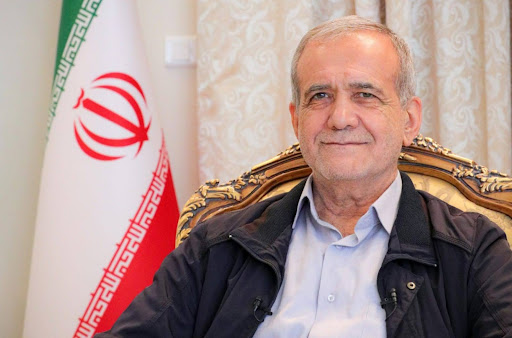
As the 2026 Iran-U.S. war enters its second month, Pakistan has positioned itself as the most critical intermediary for peace. Prime Minister Shehbaz Sharif reported that President Masoud Pezeshkian is open to negotiations, but only if a foundation of “trust” is established. This diplomatic role is being highlighted as the conflict causes unprecedented global economic disruption.
The war has caused significant disruption across the Gulf, dragging in countries like Qatar and Kuwait that previously sought neutrality. As these nations provide the infrastructure for U.S. military strikes, they have faced the brunt of Iranian retaliatory measures. The conflict has effectively globalized a regional power struggle, affecting everything from aviation to energy.
President Pezeshkian has messaged Gulf neighbors with a clear choice: prioritize regional development or continue hosting foreign wars. He argued that the U.S. and Israel are using regional lands to manage a conflict that destroys local security. This message has resonated with many who fear a total regional collapse.
The importance of Pakistan’s role is found in its ability to bring diverse regional players to the same table. If Islamabad can successfully mediate between Tehran and Washington, it could prevent a full-scale ground invasion. The inclusion of Turkey and Egypt in the current Islamabad summit adds significant diplomatic weight to the peace push.
As foreign ministers convene in Islamabad on Monday, March 30, the focus is on de-escalating the immediate military tension. Pakistan’s foreign ministry has stated that the goal is to hold “in-depth discussions” on regional safety. The world remains hopeful that a path to peace can be found through this multi-national effort.