
Italy is preparing to approve a 2027 budget plan that diverges by approximately €7 billion from its previously agreed deficit target with the European Union. This deviation is part of Italy’s effort to obtain greater fiscal flexibility, specifically for defence and energy expenditures.
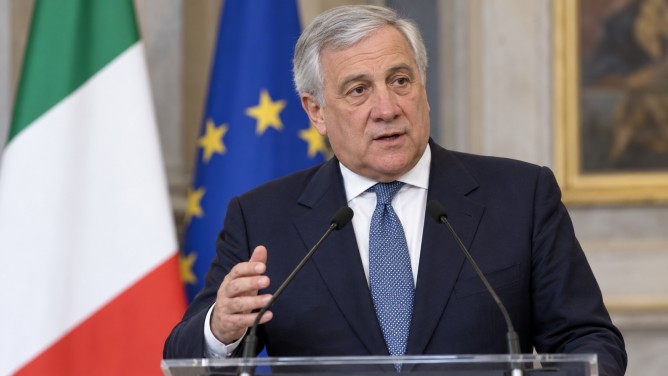
Deputy Prime Minister and Foreign Minister Antonio Tajani has stated that the Italian government intends to seek increased budgetary leeway before presenting its plans to the EU in Brussels for approval. Economy Minister Giancarlo Giorgetti further elaborated that Italy would request the maximum flexibility allowed under EU regulations. This includes allocations of 0.6% of GDP for enhancing energy security and 0.9% for bolstering defence spending.
The Italian government argues that the additional fiscal space is justified by rising energy costs and heightened defence needs. Prime Minister Giorgia Meloni has echoed these sentiments, urging the European Commission to consider the impact of rising inflation on the country’s budgetary requirements.
The European Commission has pointed out that EU member states already have some degree of additional flexibility under the bloc’s fiscal guidelines. However, Italy will still need to formally submit its spending proposals to Brussels to proceed with the proposed deficit increase.