
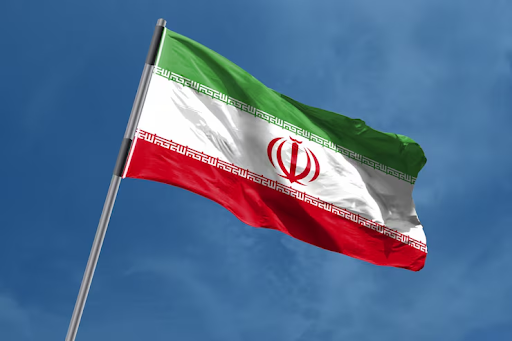
The diplomatic machinery surrounding the Iran conflict moved quickly on Wednesday, with Pakistani envoys delivering a 15-point American ceasefire proposal to Tehran, receiving a five-point Iranian rejection and counter-plan in return, and yet somehow emerging with the possibility of direct face-to-face negotiations by the end of the week still alive. Egyptian and Pakistani officials said talks could happen in Turkey or Pakistan as early as Friday. The White House said face-to-face discussions were an option while cautioning against getting ahead of the process — a phrase that neatly captured the fragile, uncertain nature of the diplomatic moment.
The American proposal asked for Iran’s nuclear disarmament, missile constraints, the reopening of the Strait of Hormuz, and offered sanctions relief. Iran found these demands excessively one-sided and said so through state media and its foreign ministry. The foreign minister confirmed receipt by senior leaders but stated that negotiations were not currently on Iran’s agenda. Trump insisted at a fundraiser that Iran wanted a deal and was only prevented from saying so by domestic political fears, creating a notable gap between his characterisation of the talks and Iran’s own public statements.
Tehran’s counter-proposal set out five conditions: an end to all strikes on Iranian officials and territory, binding security guarantees, war reparations, and continued Iranian control over the Strait of Hormuz. The Hormuz condition was the most glaring incompatibility with the US position, since reopening the strait was one of Washington’s primary goals. Fighting continued while diplomats worked. Israel struck Iran across multiple locations including Isfahan, and Iran retaliated with ballistic missiles and drones against Israel and Gulf states, causing a fire at Kuwait airport and prompting the arrest of six Hezbollah-linked suspects.
The US military reported that over 10,000 Iranian targets had been struck since the war began, with 92% of Iran’s largest naval vessels destroyed and most of its missile and drone manufacturing capacity severely damaged. Iran warned intermediaries that any US ground operation would be met with carpet-bombing and Red Sea attacks. The 82nd Airborne Division was being deployed to the region, feeding speculation about a possible operation against Kharg Island, which provides 90% of Iran’s crude oil exports. Iran’s parliament speaker warned that any regional country assisting in such an operation would face relentless retaliation.
The economic cost of the conflict was reshaping the political landscape in Washington. Trump’s approval had fallen to 36%, the lowest of his presidency, and 59% of Americans said the war had gone too far. Oil prices remained elevated. The administration’s stated timeline of four to six weeks for ending the war was already running into pressure from multiple directions. A Beijing summit on May 14 added deadline pressure. Whether Friday’s potential talks could produce anything concrete depended on both sides’ willingness to move from their publicly stated, and mutually incompatible, positions.