
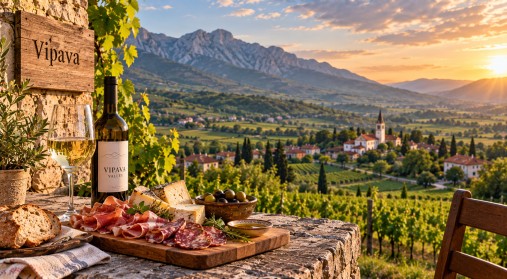
In the serene southwestern region of Slovenia, the Vipava Valley offers an idyllic escape that showcases the country’s stunning landscapes, rich culinary traditions, and exquisite wines. Nestled between steep hills and expansive vineyards, this valley is a harmonious blend of rural beauty and historic charm. Visitors can explore quaint villages, engage in outdoor adventures, and enjoy a burgeoning array of small-scale tourism experiences. Despite its proximity to the Italian border and being just an hour’s drive from Ljubljana, Vipava Valley remains a hidden gem compared to the more frequented Soča Valley.
A defining feature of the Vipava Valley is the burja, a fierce wind descending from the Alps that shapes the local agriculture. This dry, intense gust creates a unique climate that benefits the vineyards and traditional food production in the area. The valley is renowned for its wine, with vineyards sprawling across its hillsides and small wineries producing a diverse range of regional wines. This wine culture is deeply intertwined with local agriculture, ensuring that the region’s vineyards and villages remain central to the visitor experience.
Culinary delights are equally significant in Vipava Valley. The region boasts an array of local specialties, including sheep and goat cheeses, cured meats, handmade pasta, and seasonal vegetables, all rooted in traditional Slovenian cuisine. Dining options range from farm-based restaurants to intimate rural eateries, offering a genuine taste of the valley’s culinary heritage. Additionally, historic farm buildings are being transformed into guesthouses and holiday accommodations, preserving traditional architecture and fostering rural tourism.
For those seeking outdoor activities, the valley does not disappoint. Cycling routes meander through vineyards and tranquil countryside, while hiking trails invite exploration of the surrounding hills. The area’s mountainous terrain is also attracting paragliding enthusiasts, adding to the array of outdoor pursuits available. History buffs can delve into the past in towns like Ajdovščina, which holds remnants of the area’s Roman heritage, and Vipavski Križ, known for its compact historical setting and charming streets.
Vipava Valley’s approach to tourism emphasizes smaller businesses and local traditions, steering clear of large-scale resorts. This method allows visitors to experience the rural essence of Slovenia while preserving the character of its villages, vineyards, and landscapes. For travelers seeking a combination of scenic beauty, regional cuisine, wine, and outdoor adventure away from Slovenia’s busiest spots, the Vipava Valley offers an enticing alternative.