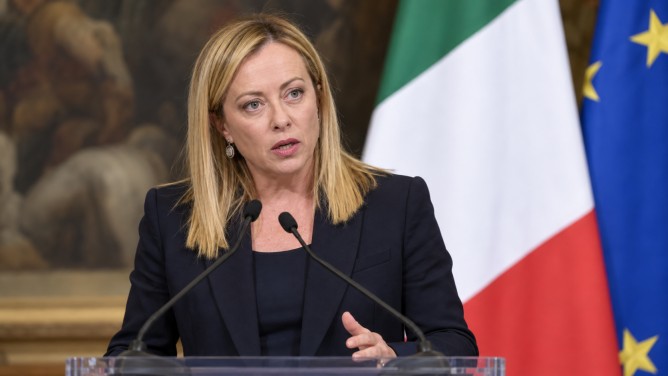
Italian Prime Minister Giorgia Meloni has expressed concerns over U.S. President Donald Trump’s initiative to negotiate a deal involving Russian diesel, cautioning that it could economically benefit Moscow and weaken Western sanctions aimed at Russia. Her comments were made in anticipation of the European Council summit scheduled for October 15–16.
Meloni described Trump’s move as precarious, questioning its efficacy in tackling the recent surge in fuel prices. She attributed the rise in energy costs more to the ongoing conflict involving the United States, Israel, and Iran, rather than the situation in Ukraine. The Italian leader warned that introducing Russian diesel into the market could bolster Moscow’s financial resources while Russian military actions against Ukrainian cities persist.
Furthermore, Meloni argued that this action could undermine Western efforts to pressure Russian President Vladimir Putin into negotiations. She emphasized that the potential upside of the diesel deal remains uncertain, while the risks it poses to Western diplomatic and economic strategies against Russia are more apparent.
In addressing Italy’s priorities ahead of the European summit, Meloni stressed the importance of protecting Italian interests in any agreement on the European Union’s long-term budget. Her government is advocating for greater budget flexibility in response to rising inflation and energy costs, which have strained the economy.
On the topic of defense spending, Meloni dismissed the notion that increased military funding would detract from healthcare and education budgets. She argued that defense expenditures fulfill a distinct and essential role in ensuring national security.
As Italy prepares its final budget before the upcoming elections, additional fiscal flexibility remains a key focus for Meloni’s administration. Nevertheless, Economy Minister Giancarlo Giorgetti has cautioned that heightened scrutiny of Italy’s public debt could lead to further financial challenges.
Meloni’s remarks underscore growing European concerns regarding the implications of U.S. energy policies on sanctions against Russia, support for Ukraine, and the broader economic landscape.